Hip Resurfacing Has a New Life — What This Means for You
3/23/2026 By Thomas P. Gross, MD – Hip Resurfacing Surgeon
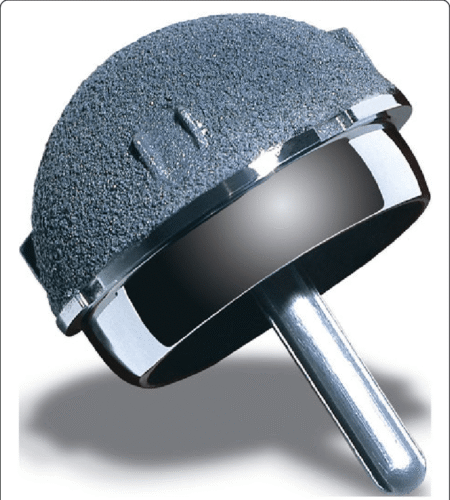
Hip resurfacing in the United States is entering an exciting new chapter. Beginning in June 2026, the Recap/Magnum resurfacing implant—made to the same specifications previously used by Zimmer Biomet—will once again be available. It took more than a year and a half to purchase the design rights, but manufacturing has now restarted, and implants should arrive in Columbia, SC early this summer.
This comes at the perfect time, as the Birmingham Hip Resurfacing (BHR) implant made by Smith & Nephew is being phased out. Once our center, Midlands Orthopaedics, has several months of supply, these new Recap/Magnum implants and updated instruments will become available to other surgeons across the U.S. Our goal is simple:
We want to keep hip resurfacing available to patients everywhere—not just at our center!
Dive into the world of Hip Resurfacing. From first-hand experience to a studied analysis of patient outcomes, this in-depth exploration unveils the real benefits of this transformative procedure. Learn how over 90,000 people worldwide have reclaimed their mobility, with impressive results of active and unrestricted lifestyles.
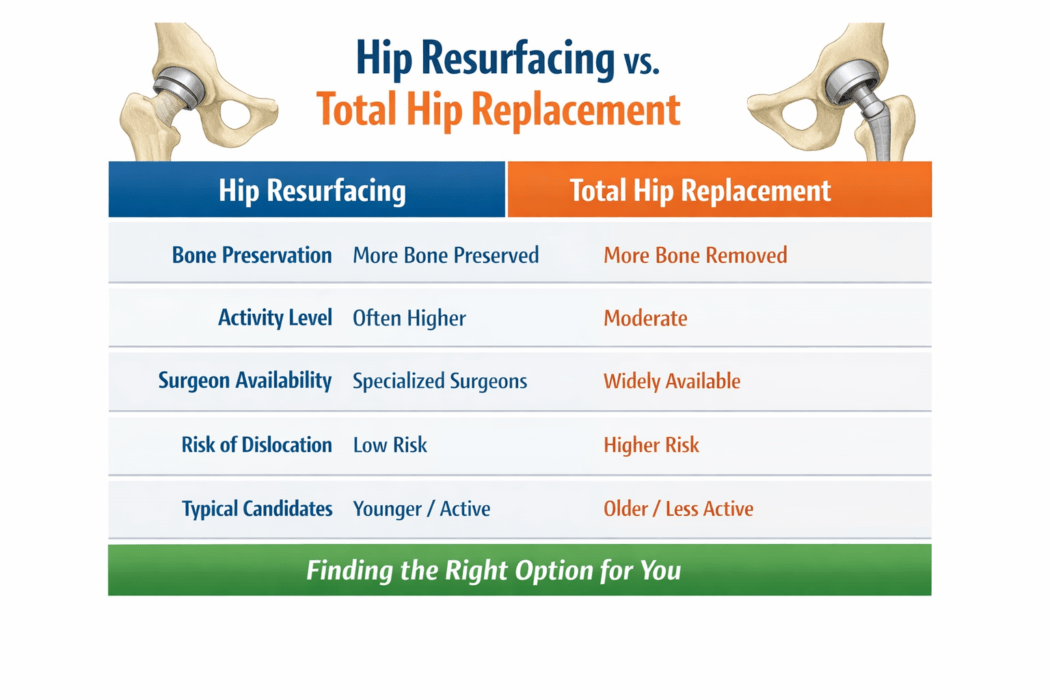
Join us as we delve into the world of hip surgery with an insider’s view on Hip Resurfacing and Total Hip Replacement (THR). Our comprehensive guide, is enriched with decades of research, personal experiences, and expert opinions..
“Experience, Experience, Experience” – that’s the mantra when it comes to choosing the right surgeon for hip resurfacing surgery. With 20 years of personal experience and insights from thousands of patients, we’ve developed an all-inclusive Patient’s Guide to help you.
Exploring Hip Resurfacing Devices: A Guide for Informed Decisions
Navigating the landscape of hip resurfacing devices can feel a bit overwhelming. Different types of hip resurfacing devices, such as the Birmingham Hip Resurfacing system, The Recap/Magnum, the ReCerf and H1 Ceramic on Ceramic systems or the Polymotion cobalt chrome head/Vitamin E crosslinked system offer tailored solutions for distinct needs. Each comes with its own set of benefits, adeptly catering to varying medical profiles and activity levels. This article will walk you through the primary types and features of these devices, ensuring you’re equipped with the knowledge you need to make informed decisions about your health and mobility.
About the Surfacehippy Website and Patricia Walter
March 15, 2026 is the 20 year anniversary of receiving my BHR Birmingham Hip Resurfacing from Dr. De Smet in Belgium in 2006
My hip resurfacing is still great and I never had problems with it. I still believe hip resurfacing is a great alternative to a total hip replacement for the right candidate – normally younger people that are very active and want no restrictions.
I started my website https://surfacehippy.info in 2005 to provide people with information about hip resurfacing. There are over 2300 articles, 1700 personal stories and 7000+ members in the Hip Talk Discussion Forum.
I work on the website as a full-time job to keep it up to date with new information and stories. I never regretted having a hip resurfacing or starting my website to help people learn about hip resurfacing.
I will continue to share new device information and person stories. There are many new and interesting devices being developed and active trials for hip resurfacing.
Patricia’s 15 Year Anniversary Video from 2021
Free Downloadable PDF
How to Donate To Surfacehippy.info
People ask how to make donations to the Surfacehippy.info website. This is the PayPal link. Donations are always appreciated.
Mission Statement
Surface Hippy® presents information about hip resurfacing. It does not provide medical advice.
Advertising – Revenue for this site is derived from commercial advertising and individual donations. Advertisements are distinguished by the word “advertisements”
Privacy – Surface Hippy® does not share email addresses or personal information with any group or organization. All information posted here is public and available for all visitors to read.
Content – Surface Hippy® is not controlled or influenced by any medical companies, doctors or hospitals.